Real Grass vs. Artificial Grass for Pets: Which One is Safer and Easier to Maintain?
As a pet owner, you want a lush, green lawn that is both safe and easy to maintain. But when it comes to choosing between natural grass and artificial grass for pets, which option is truly better? Let’s break it down by looking at safety, cleanliness, durability, and overall maintenance.
Safety: Which Option is Better for Your Pets?
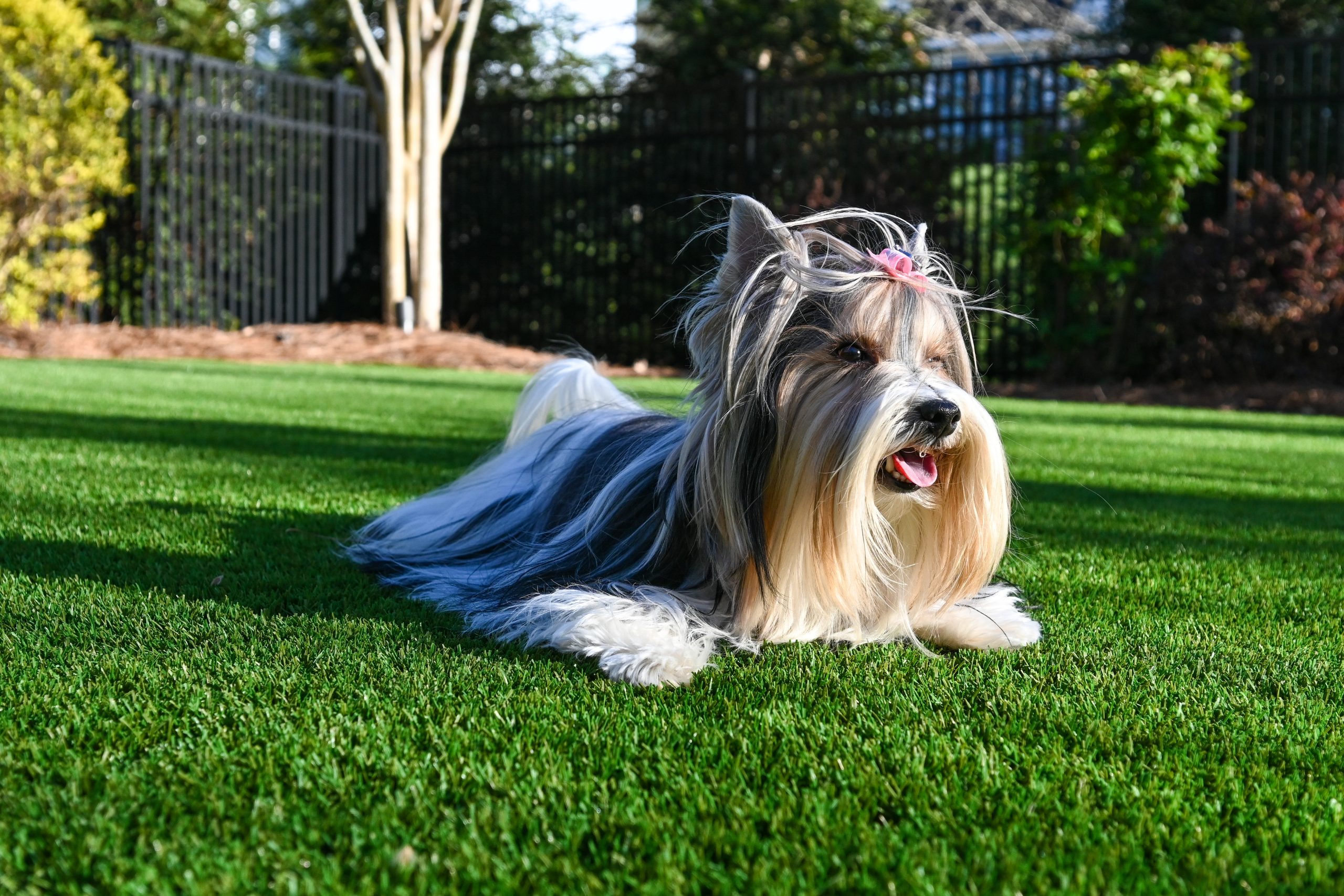
Safety is a top priority when it comes to your furry friends. Natural grass may seem like the ideal environment for pets, but it comes with hidden risks such as:
- Pesticides & Fertilizers – Many homeowners use chemicals to maintain a healthy lawn, which can be toxic to pets if ingested or absorbed through their paws.
- Allergens – Some pets suffer from grass allergies, leading to itching, rashes, and discomfort.
- Pests & Parasites – Fleas, ticks, and other pests thrive in natural grass, putting your pets at risk.
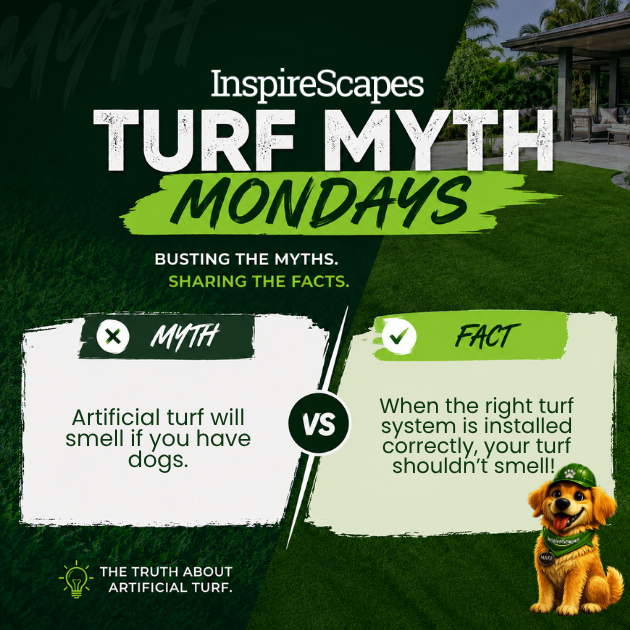
On the other hand, artificial grass for pets eliminates these concerns. It does not require harmful chemicals, does not produce allergens, and does not attract pests, making it a safer choice for your four-legged companions.
Cleanliness: Less Mess, Less Stress
One of the biggest challenges of having pets on natural grass is dealing with dirt, mud, and urine spots. With real grass, you may encounter:
- Muddy Paws – After rain, pets can track mud into your home, creating extra cleaning work.
- Urine Spots – Dog urine often causes yellow or dead patches on natural grass, making the lawn look patchy.
- Digging Issues – Some dogs love to dig, leading to unsightly holes and destroyed landscaping.
Artificial grass is designed to be mud-free and resistant to pet waste. It drains quickly, preventing standing water and reducing odors. Plus, its durability makes it nearly impossible for dogs to dig through, keeping your yard looking pristine.

Durability: Long-Lasting and Resilient
Natural grass can easily become damaged due to constant running, scratching, and urination from pets. Over time, high-traffic areas may turn into bare patches, requiring regular reseeding and repair.
Artificial grass for pets, however, is designed to withstand wear and tear. High-quality pet turf features:
- Durable fibers that resist flattening even under heavy pet activity.
- Efficient drainage to prevent pooling and eliminate lingering odors.
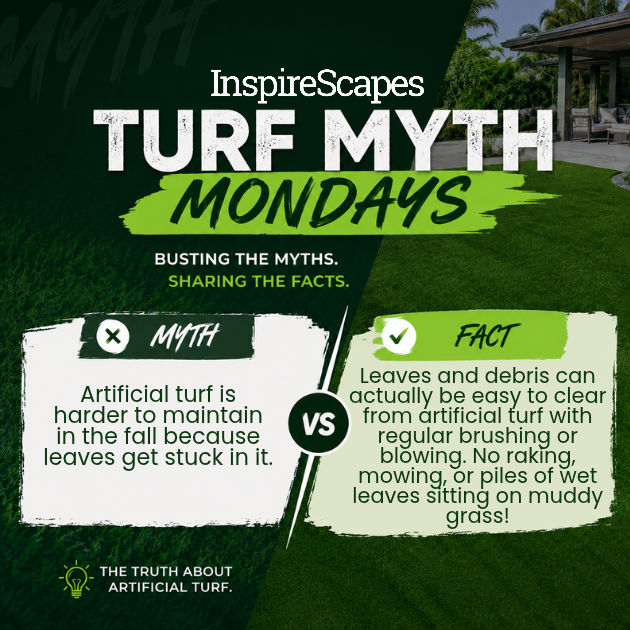
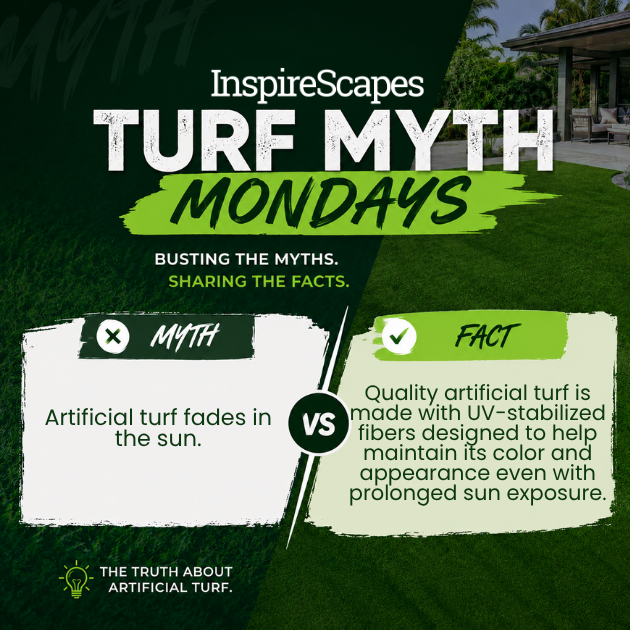
- UV protection to keep the turf looking green and fresh year-round.
With artificial turf, you won’t have to worry about worn-out spots, making it a great long-term investment.
Maintenance: Say Goodbye to Constant Lawn Care
Caring for a natural grass lawn can be time-consuming and costly. Pet owners often have to deal with:
- Mowing and watering to keep the lawn looking fresh.
- Repairing urine spots and reseeding dead patches.
- Applying pesticides and fertilizers to maintain healthy grass.
With artificial grass for pets, maintenance is minimal. You only need to:
- Rinse off pet waste to keep the turf clean and odor-free.
- Brush the fibers occasionally to maintain a natural look.
- Enjoy more free time instead of constant lawn upkeep!
Final Verdict: Why Artificial Grass for Pets is the Better Choice
While natural grass has its appeal, artificial grass for pets offers a safer, cleaner, and easier-to-maintain solution for homeowners. It eliminates the need for harmful chemicals, stays green and durable year-round, and requires little upkeep—giving you more time to enjoy playtime with your furry friend.
If you’re ready to upgrade your lawn with pet-friendly artificial turf, contact us today for a free consultation! Your pets (and your lawn) will thank you.