The Secret to a Beautiful Artificial Lawn:
It All Starts Below the Surface
When homeowners think about artificial turf, they usually focus on what they can see—the color, texture, or how realistic the grass looks. But the truth is, the most important part of any artificial turf installation is the part you’ll never see.
A beautiful, long-lasting lawn begins with a properly prepared foundation. Even the highest-quality turf can develop problems if it’s installed over an unstable or poorly drained base. That’s why professional site preparation is one of the most important investments you can make.
Why the Base Matters
Think of your artificial lawn like a house. No matter how beautiful the finishes are, they’re only as good as the foundation underneath them. A properly constructed base helps:
- Create a smooth, natural-looking lawn
- Prevent dips and uneven areas
- Improve drainage after heavy rain
- Reduce settling over time
- Increase the lifespan of your turf

Think of your artificial lawn like a house. No matter how beautiful the finishes are, they’re only as good as the foundation underneath them. A properly constructed base helps:
Step 1: Preparing the Site
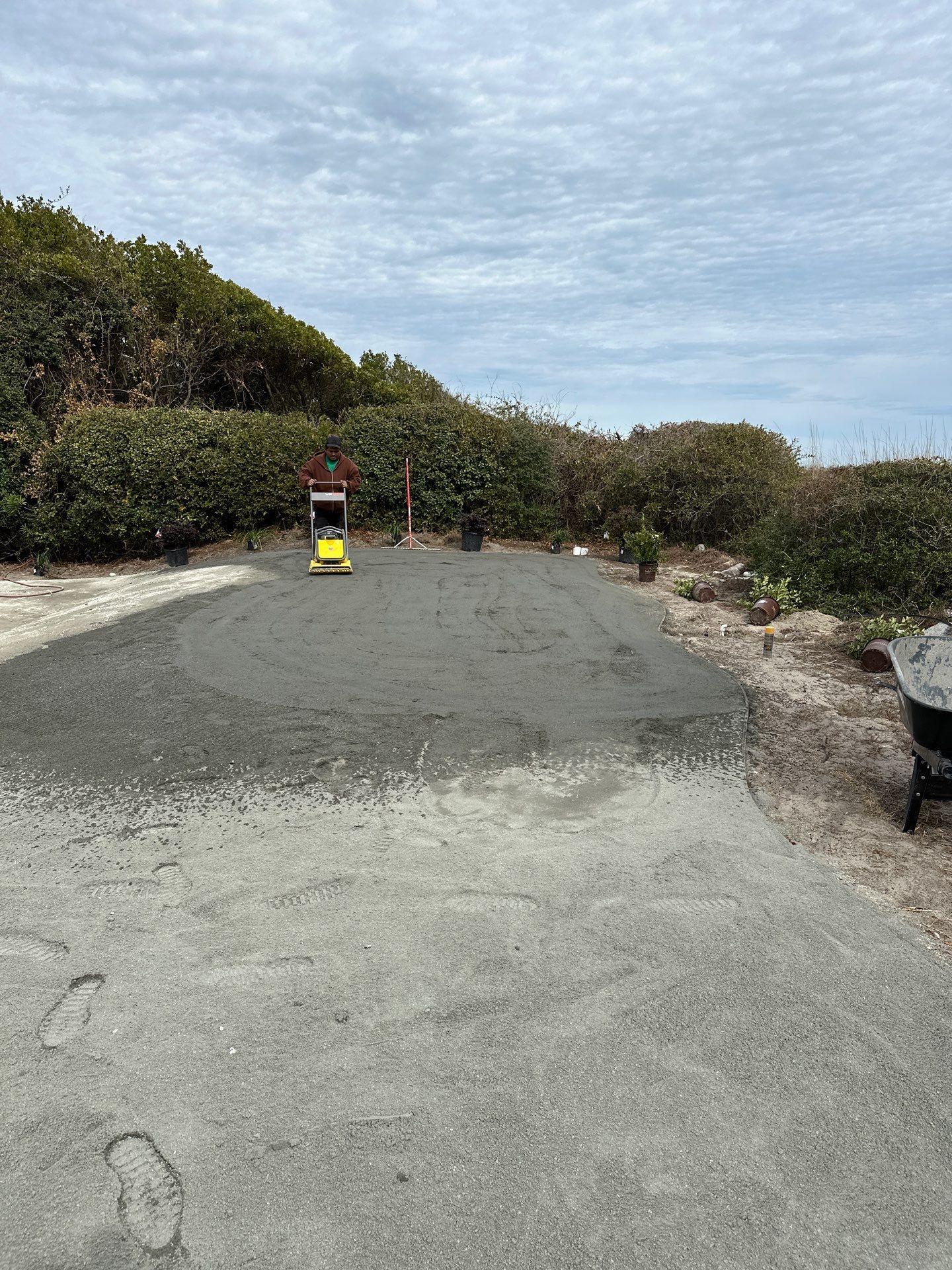
Step 2: Building a Strong Foundation
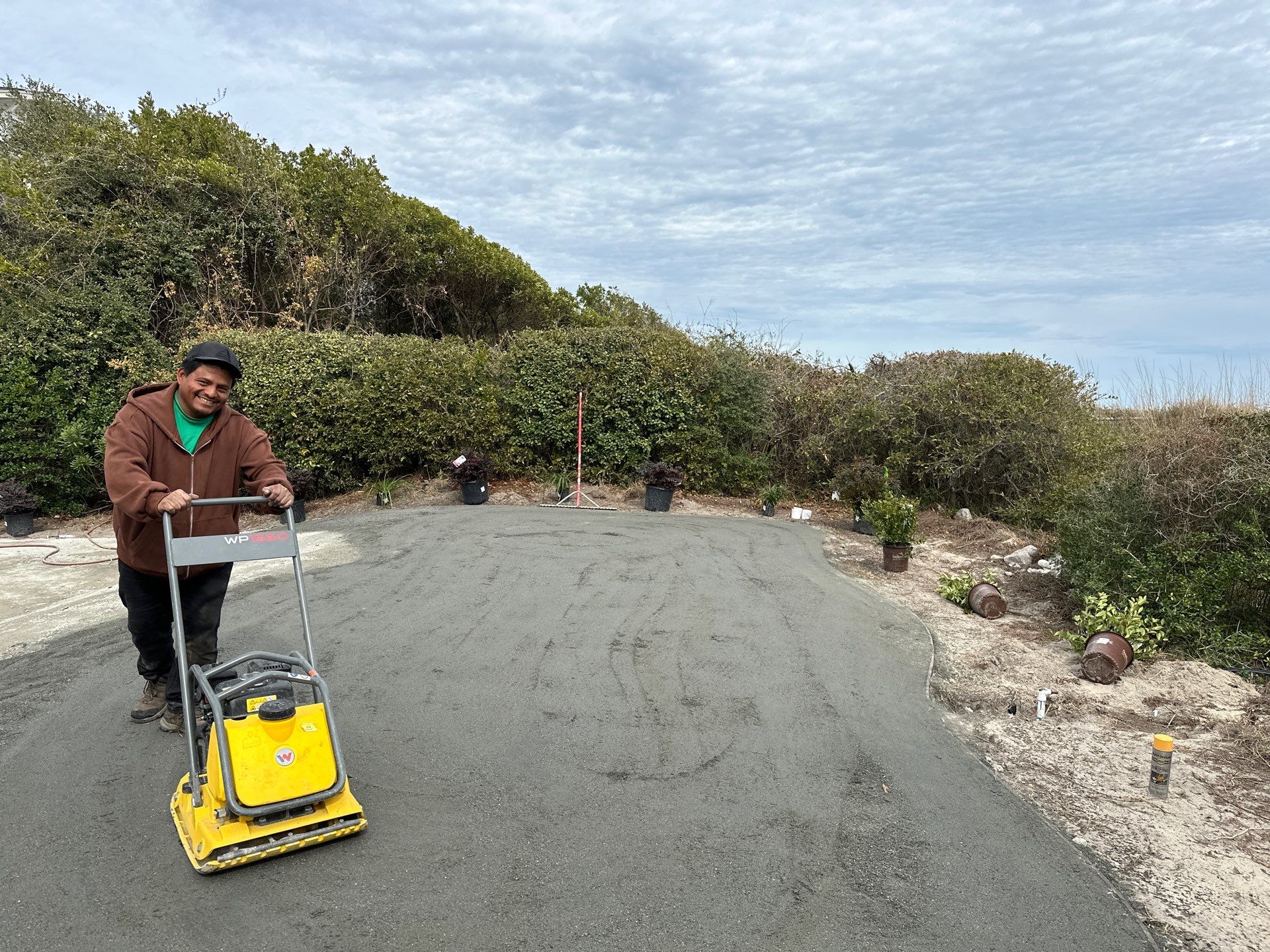
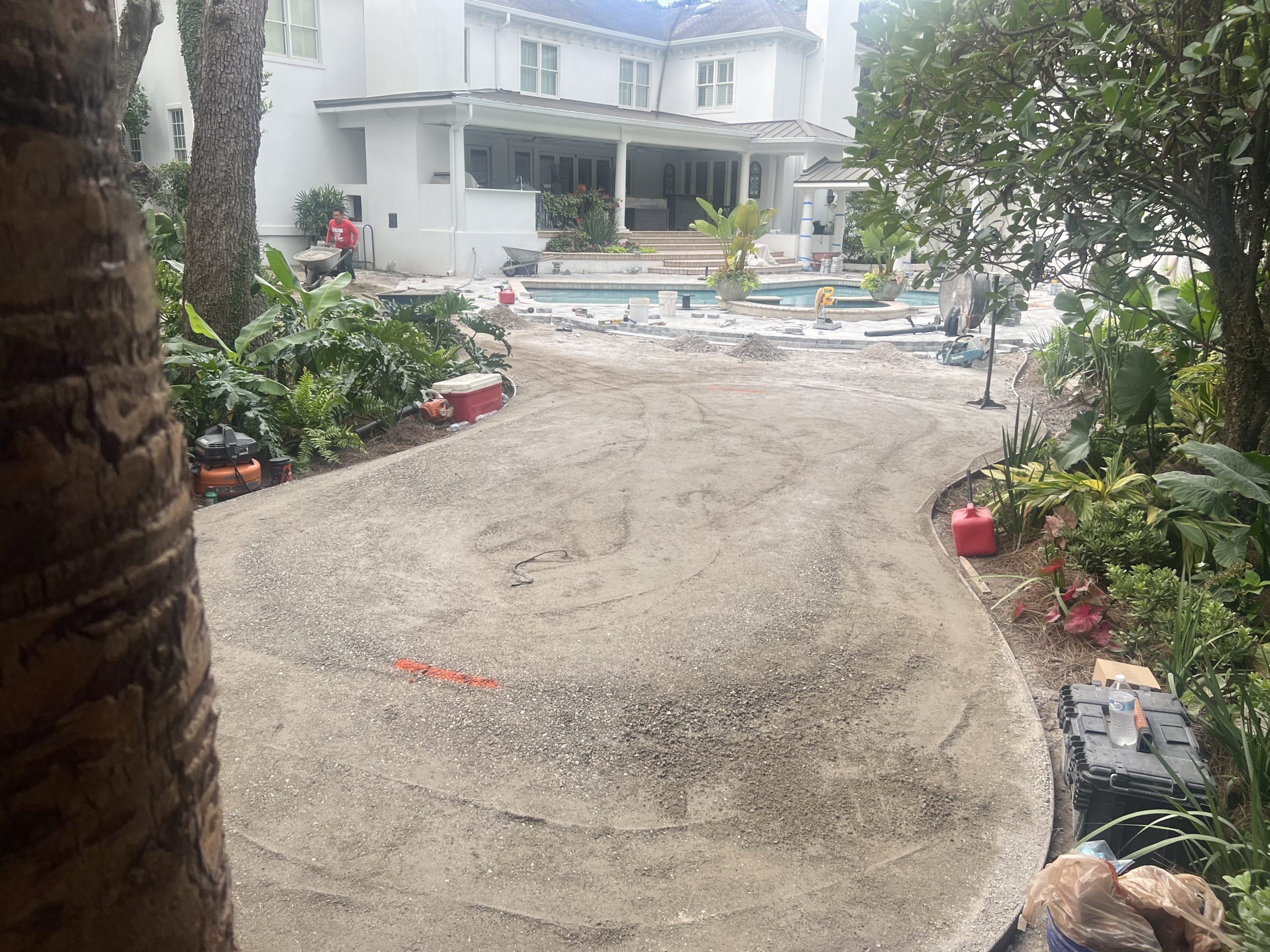
At InspireScapes, we use approximately 2–3 inches of #57 stone followed by 1–2 inches of crusher fines, depending on the project and site conditions.
These layers work together to create a stable foundation while allowing excellent drainage beneath the turf.
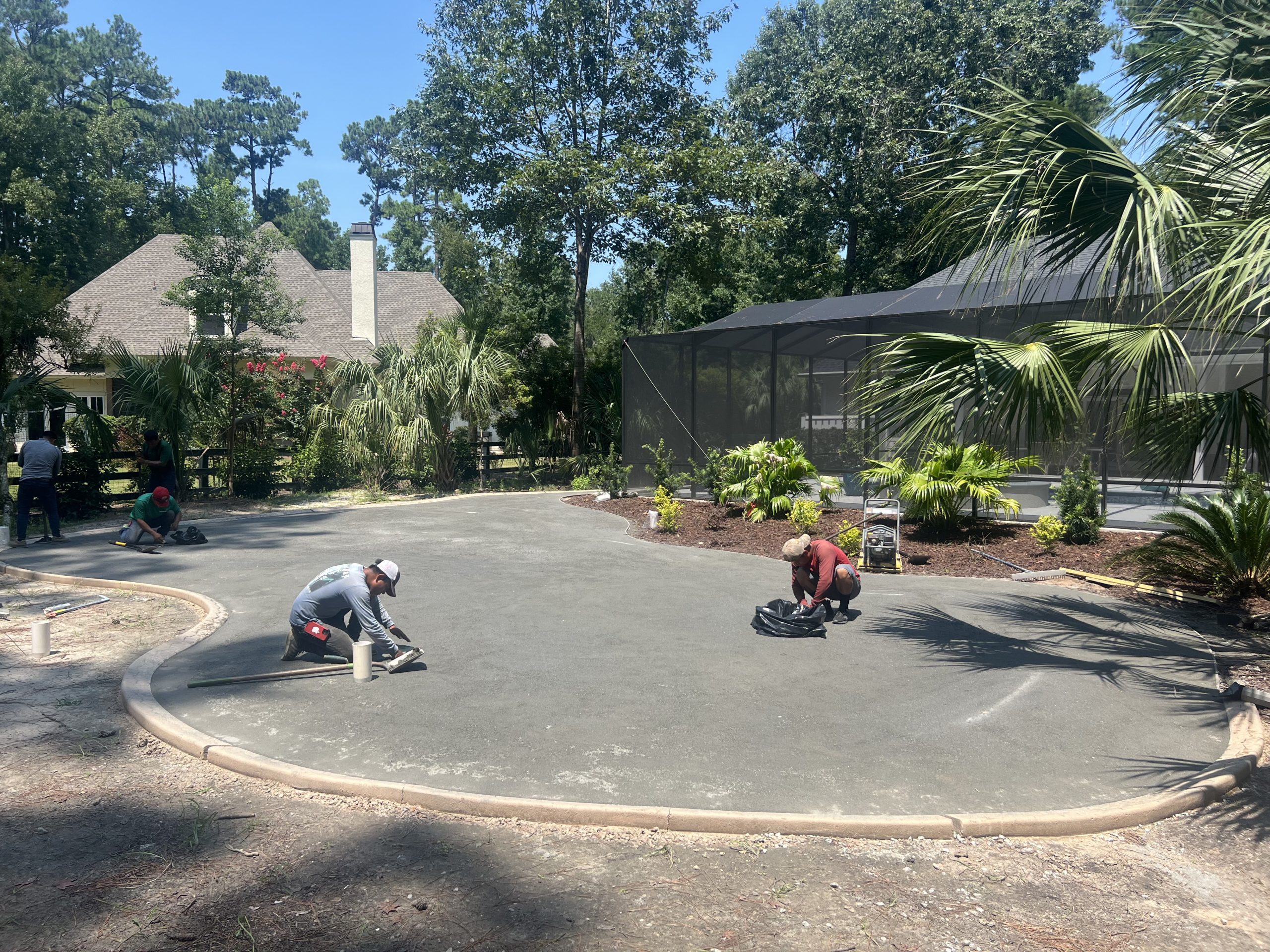
Each layer is carefully compacted to minimize future settling and create a smooth, consistent surface.
Step 3: Proper Grading and Drainage
One of the biggest misconceptions about artificial turf is that water can’t drain through it.
In reality, drainage begins long before the turf is installed.
A properly graded base directs water exactly where it needs to go, helping eliminate standing water and muddy areas.
Combined with our fully permeable turf backing, water can move efficiently through the entire turf system instead of relying on small drainage holes.
This is one of the reasons our installations perform so well in the Lowcountry’s rainy climate.
Step 4: Precision Finishing
Before any turf is installed, the finished base is inspected one final time.
This is when small imperfections are corrected, ensuring the surface is smooth, level, and ready for installation.
Taking extra time during this stage creates a lawn that not only looks better on day one but continues looking beautiful for years to come.
Step 4: Precision Finishing
Before any turf is installed, the finished base is inspected one final time.
This is when small imperfections are corrected, ensuring the surface is smooth, level, and ready for installation.
Taking extra time during this stage creates a lawn that not only looks better on day one but continues looking beautiful for years to come.
Why Homeowners Should Care
Many artificial turf products are excellent.
What separates a great installation from an average one is the quality of the preparation beneath the surface.
A properly prepared base helps prevent:
- Uneven spots
- Wrinkles
- Poor drainage
- Premature settling
- Visible seams
Simply put, your turf can only perform as well as the foundation supporting it.
The InspireScapes Difference
At InspireScapes, we believe every installation should begin with a strong foundation.
That’s why we never rush the preparation process.
From careful grading and proper compaction to our fully permeable turf systems, every step is designed to create an artificial lawn that looks beautiful, drains efficiently, and stands the test of time.
Because when the work below the surface is done right, everything above it looks even better.
Ready to Build Your Backyard the Right Way?
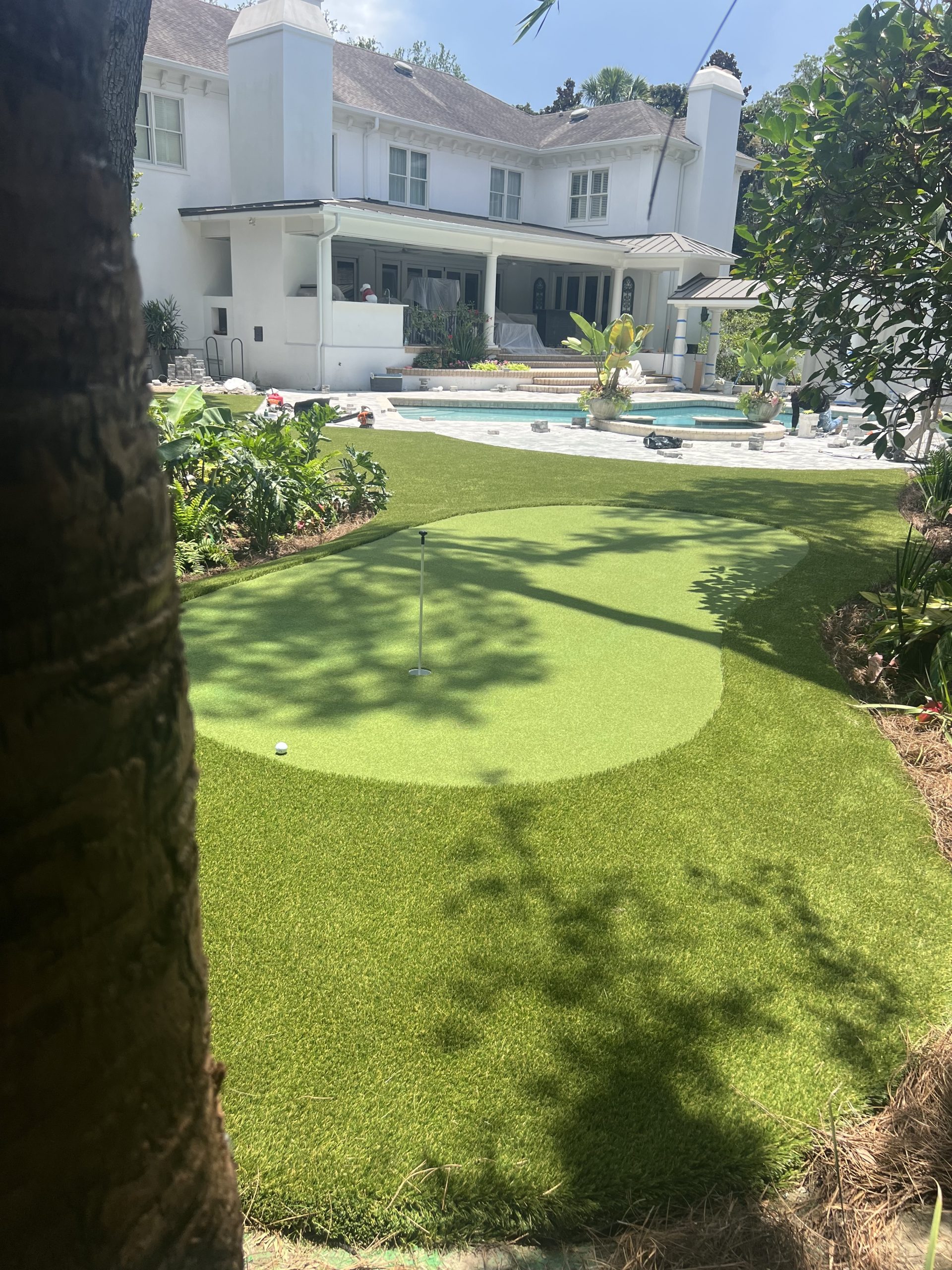
Whether you’re planning a pet area, putting green, pool surround, or a complete lawn replacement, our team is committed to installing artificial turf the right way—from the ground up.
Contact InspireScapes today to schedule your free consultation and discover the difference a professionally prepared foundation can make.
In summary:
Edging is a crucial element in artificial grass installations, as it ensures a clean, polished look while maintaining the turf’s integrity. Proper edging helps to define boundaries, prevent the turf from shifting, and avoid unsightly gaps. It also facilitates a smooth transition between different surfaces, such as concrete, pavers, or natural grass, enhancing both the functionality and visual appeal of the landscape. By selecting the right edging solution, you can achieve a seamless, well-maintained appearance that stands up to the elements and daily use.
Not sure which is best for you? Contact us today! We’d love to help design your outdoor oasis.