Is Artificial Grass Eco-Friendly? Here’s what you need to know:

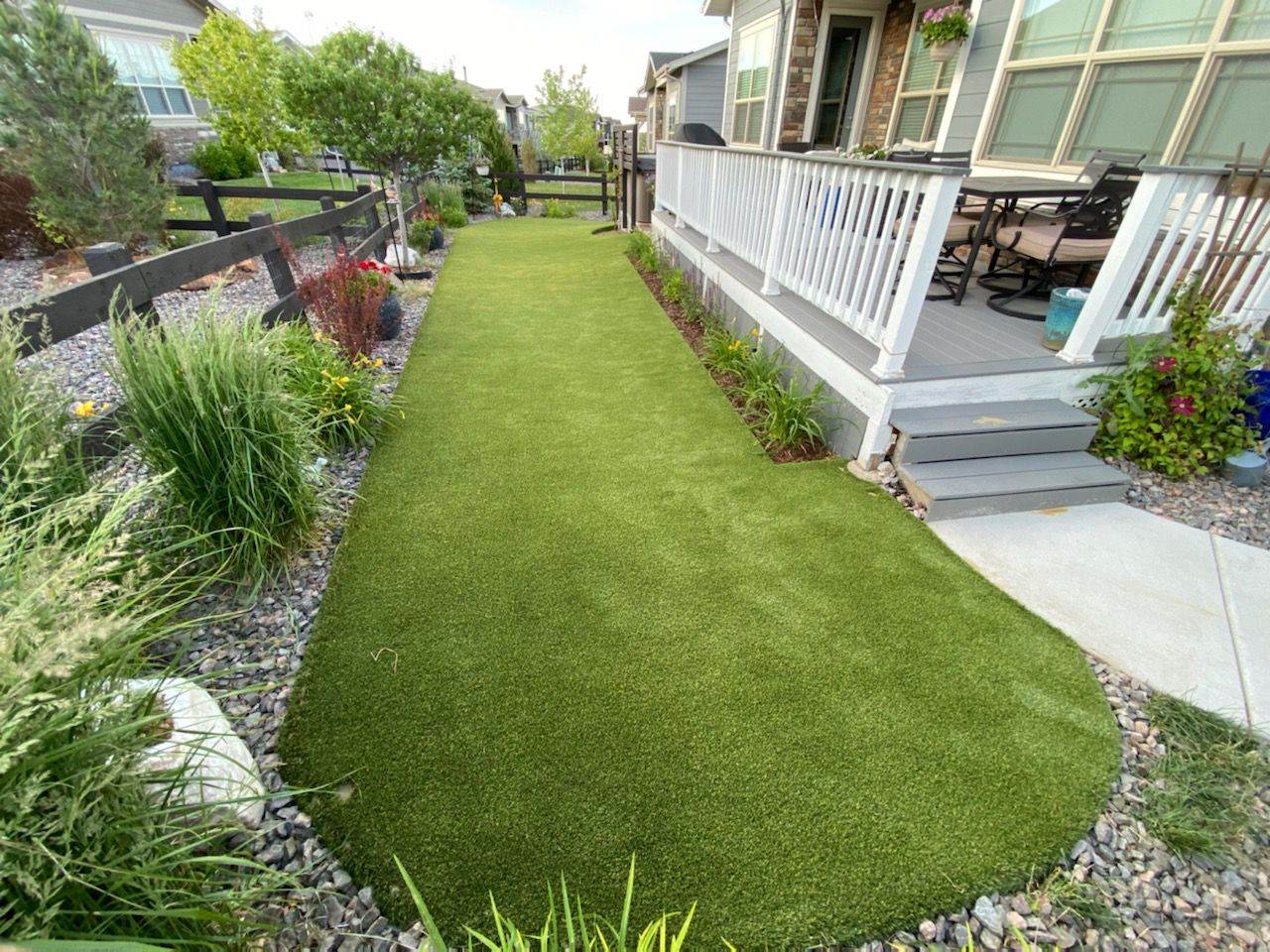
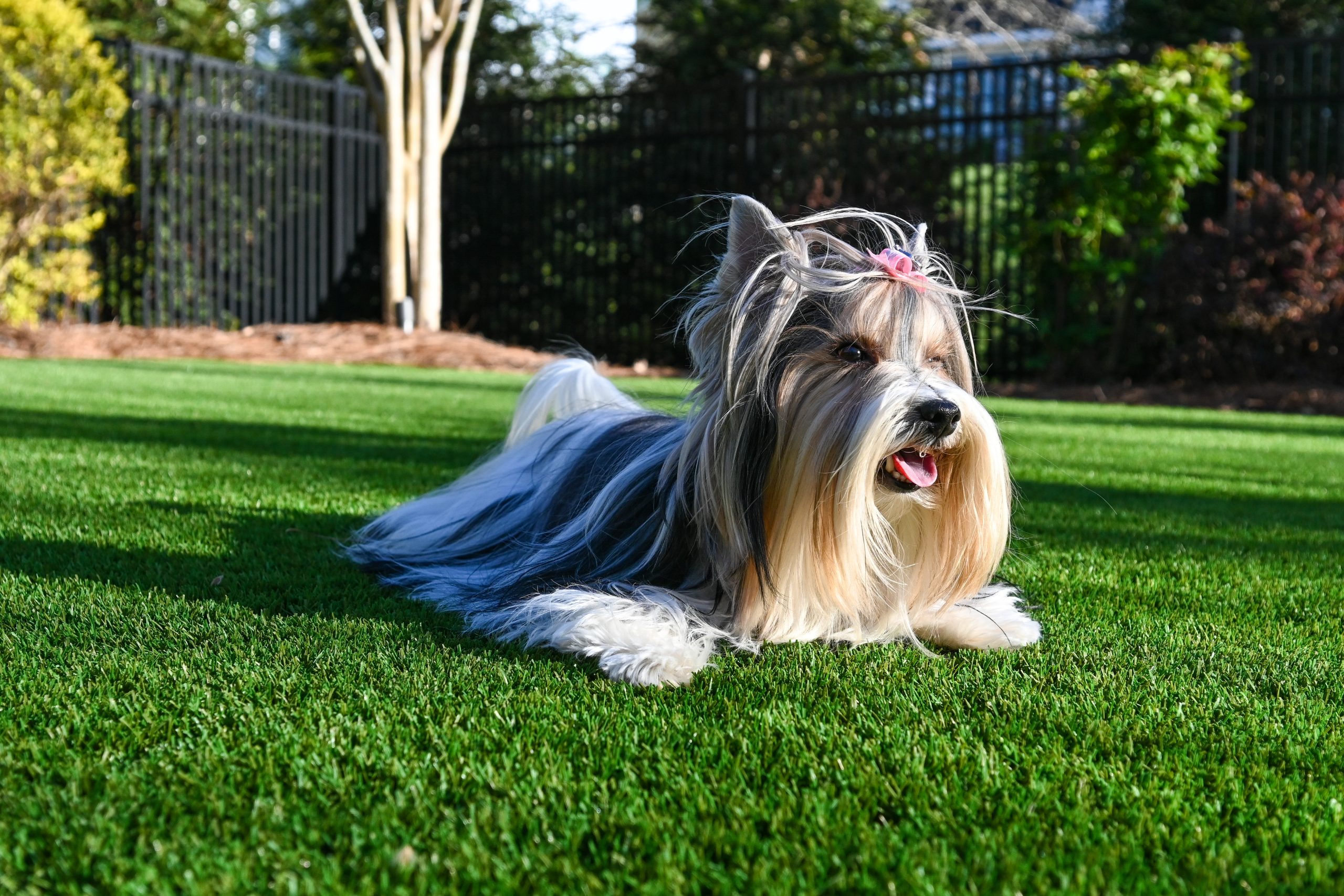
The simple answer is yes! Artificial grass is environmentally friendly, despite what some may say.Ā 

Advances in technology and an increasing awareness of environmental issues have made artificial grass an unexpected green choice.Ā 

Here are 5 reasons why artificial grass is a sustainable solution to traditional lawn care:

  1. Water Conservation

One of the most significant environmental benefits of artificial grass is water conservation.
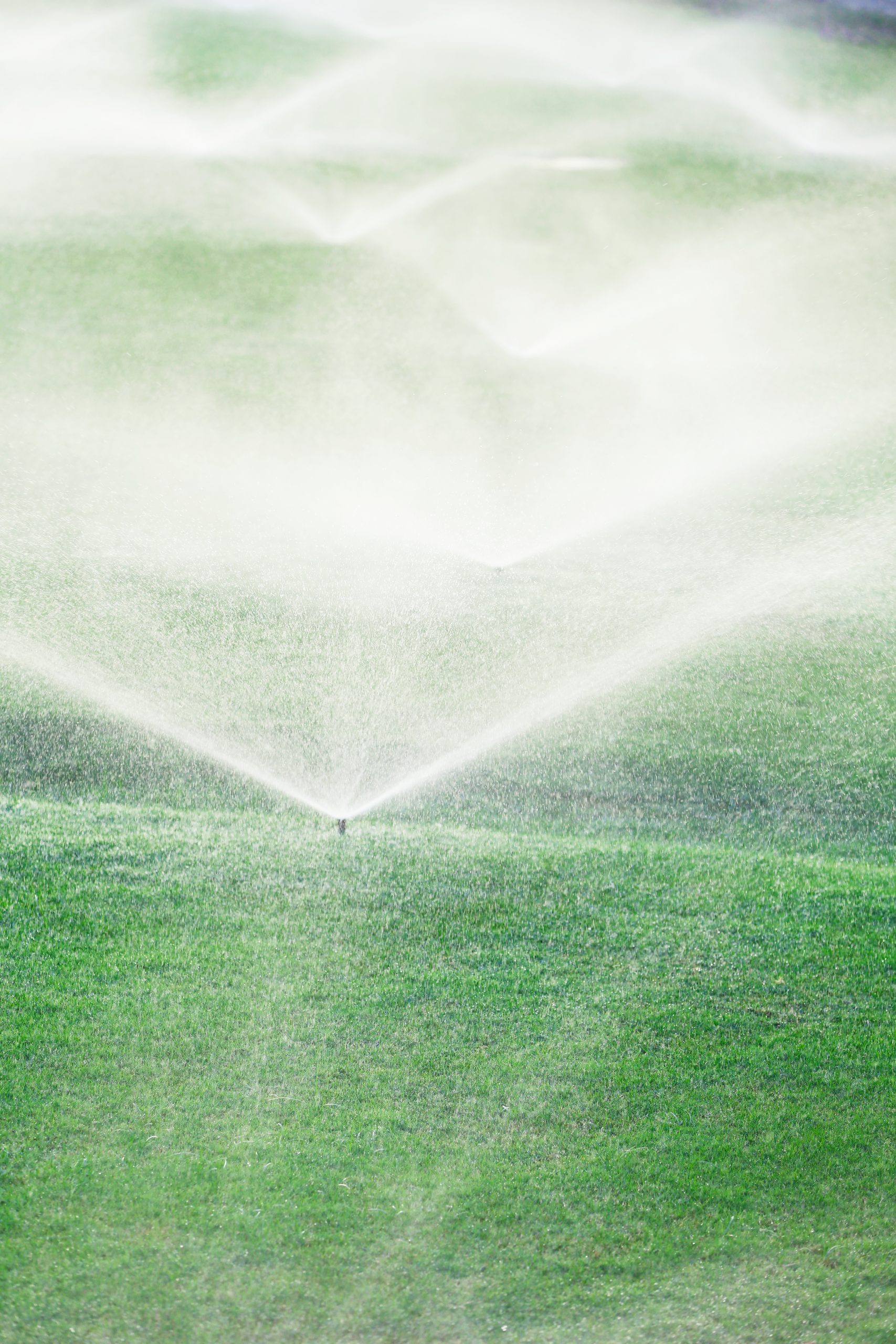
  • Natural lawns require regular watering, especially in dry climates, leading to substantial water usage.

  • According to the Environmental Protection Agency (EPA), outdoor water use accounts for nearly 30% of household water use in the United States. That’s thousands of gallons of water that could be saved with artificial grass.

  • Conserving water usage also benefits you by lowering your water bills.

2.Ā  Lower Carbon Footprint

Natural grass requires regular mowing, trimming, and edging, typically done with gas-powered equipment. This equipment emits carbon dioxide and other pollutants, contributing to air pollution.Ā 

  • Artificial grass doesn’t require watering, saving you countless gallons of water each year.

  • Also according to the EPA, gas-powered lawn mowers alone contribute to significant air pollution. By switching to artificial grass, you eliminate the need for this equipment, thus reducing greenhouse gas emissions.

  • Did you know? Using a fuel mower produces the same air and noise pollution levels as running 11 carsĀ simultaneously for the same time frame.

3.Ā  Reduction of Chemical Use

Maintaining a natural lawn often involves the use of fertilizers, pesticides, and herbicides to keep it looking green and healthy.

  • These chemicals can leach into soil and waterways. The last thing we want is chemicals in our runoff waters. These substances can cause environmental damage and harm wildlife. They are not safe for pets, or children.

  • Artificial grass eliminates the need for these toxic substances, promoting a safer and a cleaner environment.

4. Helps Control Erosion

Natural landscapes, especially in regions with heavy rainfall or on sloping terrains, face the challenge of soil erosion.

  • This degradation not only deteriorates land quality but also can lead to sedimentation in waterways, potentially disrupting aquatic life and increasing water treatment costs.

  • A drainage system is usually installed underneath synthetic lawns to prevent rainwater runoff, which prevents erosion.

  • This stability offers dual benefits: conserving the soil,Ā andĀ protecting local water systems from excess sediment.

5.Ā  Artificial Grass is 100% Recyclable

Artificial Grass is 100% Recyclable

Not all turf is made the same! Our artificial grass is 100% recyclable.Ā 

  • How is it recycled?Ā 

      • The turf is cut into smaller strips, then processed into finer particles and heated to melting point and extruded. The turf is then processed into even finer particles and made into pellets that will be used to make other products.
  • Not all artificial grass products are made the same. Many turf producers use Polyurethane in the backing, which is NOT a recyclable product. Our Inspire series turf uses only 100% recyclable materials during manufacturing.

Artificial grass has come a long way in terms of sustainability and environmental impact. By conserving water, reducing chemical usage, lowering carbon emissions, and recycling materials; artificial grass presents a viable and eco-friendly solution to natural grass. As technology continues to advance artificial grass will only become more sustainable, offering an increasingly greener option for landscaping needs. Artificial grass is an excellent choice for those looking to make an environmentally responsible decision.

Call, text, or email usĀ 

1-855-545-TURF (8873)

info@inspirescapes.com

Or fill out the form here and a representative will reach out to you.Ā